
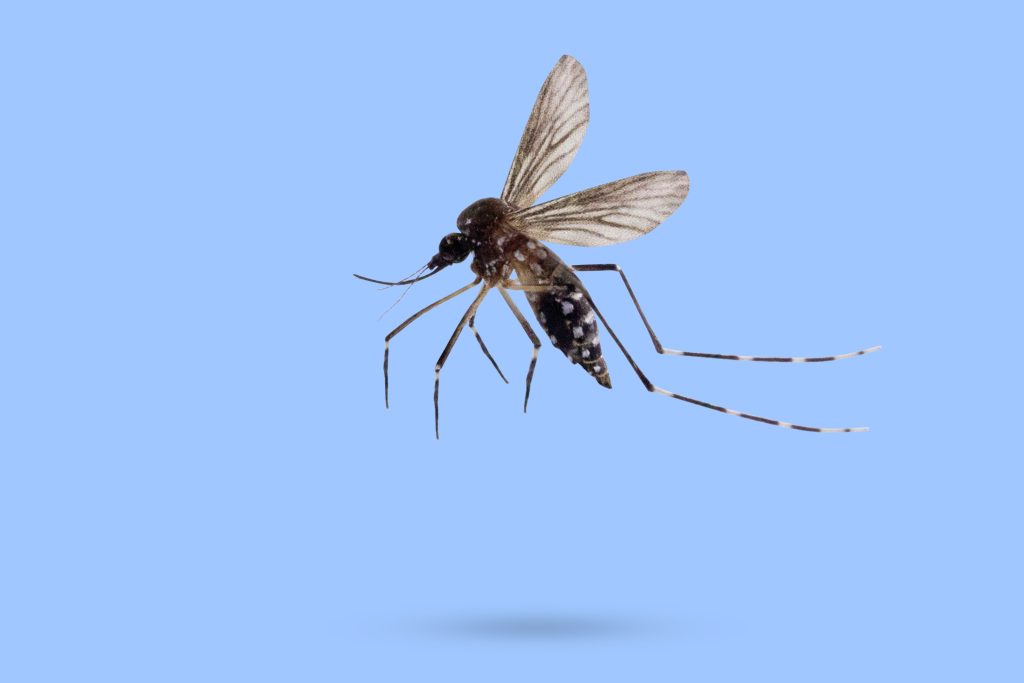
You sit down on the patio after a humid Ohio summer evening finally starts to cool off. Within minutes, mosquitoes start hovering near your legs, circling around chairs, and landing near exposed skin while you try to enjoy dinner or relax outside. Turning on a box fan or ceiling fan often seems to help, but many homeowners wonder if it actually keeps mosquitoes away or just moves the air around.
So, do fans help with mosquitoes? Yes, fans can make a noticeable difference on Ohio patios because mosquitoes are weak fliers that struggle in steady airflow. Moving air also disrupts the carbon dioxide, body heat, and scent trails mosquitoes use to find people. Still, fans work best as part of a larger mosquito reduction strategy, especially during peak mosquito season in Columbus and surrounding Ohio areas.
In this article, we’ll explain why fans affect mosquito behavior, where fans work best outdoors, and when additional mosquito control may be needed to keep your patio more comfortable throughout the season.
Key Takeaways
- Fans can help reduce mosquito bites around patios and outdoor seating areas, but mosquitoes often stay active in nearby landscaping, shaded corners, and other calm areas without airflow.
- Standing water in gutters, flowerpot saucers, birdbaths, buckets, and kids’ toys can keep mosquito activity going around your yard even after the patio feels more comfortable.
- Trimming dense shrubs, draining water after rainstorms, and repairing torn screens can help reduce the mosquito activity that builds around patios, decks, and outdoor seating areas.
- If mosquitoes keep returning around your patio, deck, or backyard, professional mosquito treatments can target breeding and resting areas that fans alone cannot control.
How Fans Help With Mosquitoes
Fans can help reduce mosquito activity on patios because mosquitoes are weak fliers that struggle in steady airflow. Moving air makes it harder for them to hover, land, and follow the carbon dioxide and body heat people release while sitting outside. A ceiling fan, pedestal fan, or box fan can make a noticeable difference around outdoor seating areas.
Airflow Strength
Airflow is the main reason some fans work better against mosquitoes than others. A weak tabletop fan may feel comfortable, but mosquitoes can still fly through light airflow and land nearby. Stronger pedestal fans, box fans, or outdoor-rated fans push enough air across patios and decks to disrupt mosquito flight. Higher CFM (Cubic Feet per Minute) ratings usually provide better coverage for larger outdoor seating areas.
Fan Placement
Fan placement matters as much as fan strength. Mosquitoes usually stay low around patio furniture, planters, mulch beds, and shaded corners where the air stays calm. A ceiling fan mounted too high may cool the patio without affecting mosquito activity below. For better results, aim airflow across chairs, legs, and table height where mosquitoes are more likely to hover and land.
Coverage Limits
Fans only affect the area where the air is actively moving. Mosquitoes may still gather near landscaping, under decks, beside fences, or in shaded corners where airflow does not reach. Fans also do not stop mosquitoes from breeding nearby. Standing water in gutters, birdbaths, buckets, or flowerpot saucers can still support mosquito activity even if the patio feels more comfortable.
Why Fans Work Better With Other Mosquito Prevention Steps
Fans work best when combined with other mosquito prevention steps around the property. Emptying standing water, trimming dense shrubs near patios, and repairing torn window screens can help reduce mosquito activity before it reaches outdoor seating areas. Many outdoor repellents and sprays provide only temporary relief, which is why long-term mosquito reduction usually requires multiple prevention methods working together.
Why Mosquito Problems Develop
Fans can make outdoor spaces less inviting to mosquitoes, but understanding why mosquito pressure builds in the first place helps you see the full picture. Mosquito problems start with breeding habitat, available hosts, and the conditions that let populations grow quickly around your yard.
Standing Water Around the Yard
Mosquitoes lay eggs in standing water, and it does not take much for breeding to start. Water trapped in clogged gutters, flowerpot saucers, wheelbarrows, kids’ toys, birdbaths, or plastic covers can sit unnoticed for days after rain. A bucket tucked beside the garage or a tarp sagging over patio furniture often holds enough water to support mosquito activity. Mosquito pressure can increase quickly after periods of heavy rainfall because more breeding areas develop across neighborhoods and yards.
Shaded Areas That Hold Moisture
Most mosquitoes spend much of the day resting in cool, damp areas before becoming more active around dusk or dawn. Thick shrubs near patios, tall grass along fences, and shaded spaces under decks or around mulch beds give mosquitoes protection from heat and wind.
On many Ohio properties, mosquito activity becomes worse around landscaping that stays damp after watering or rainstorms. Trimming overgrown vegetation and improving airflow around seating areas can make these resting spots less attractive over time.
How Mosquitoes Move Toward Patios
Mosquitoes naturally move toward people gathered outdoors because they follow body heat and carbon dioxide in the air. During cookouts or evening gatherings, mosquitoes often drift from nearby landscaping or damp corners toward patios where people stay seated for longer periods. Fans help interrupt this movement by disrupting airflow near tables and chairs, but mosquitoes may still remain active along the edges of the yard where the air stays calmer.
Common Entry Points Around Homes
Mosquitoes also move indoors through damaged screens, loose-fitting doors, and windows left open during humid evenings. Small tears around screen corners or gaps near sliding doors are enough for mosquitoes to enter and settle inside bedrooms, bathrooms, or laundry areas. Replacing damaged screens and emptying standing water around the property each week helps reduce mosquito activity both inside and outside the home before populations continue building through the season.
Risks From Do Fans Help With Mosquitoes
Fans can move air around your outdoor spaces, but they do not address every risk that comes with mosquito activity. Before relying on a single approach, it helps to understand what is actually at stake when mosquitoes are present around your home.
Health Risks Linked to Mosquitoes
Mosquito bites are the main concern for most homeowners spending time outdoors. A fan may reduce mosquito landings near a seating area, but mosquitoes can still bite once you step outside the airflow or move into calmer sections of the yard.
Some mosquito species can also carry diseases that affect people and animals, which is one reason reducing activity around homes matters beyond simple outdoor comfort. Wearing long sleeves, pants, or other protective clothing during peak mosquito activity can help reduce bites while spending time outside.
Property Damage From Mosquito Activity
Mosquitoes do not damage structures the way some pests do, but homeowners sometimes try aggressive DIY mosquito solutions that create other problems around the property. Improper use of outdoor foggers, repellents, or unfamiliar treatment methods may stain surfaces, damage landscaping, or create safety concerns around pets and outdoor living spaces. EPA guidelines also note that even lower-risk mosquito products should always be used according to label instructions to avoid unnecessary exposure or misuse.
When to Look Closer at Mosquito Activity
If you are noticing frequent bites rather than the occasional one, the mosquito population around your home may be high enough to warrant a closer look at breeding sources and targeted treatment. Standing water in planters, trash bins, saucers, birdbaths, and buckets can fuel ongoing activity. Emptying these weekly and covering rain barrels are steps EarthRite recommends to help reduce mosquito numbers around your yard.
Other control techniques, including carbon dioxide application, carry potential safety risks. Before experimenting with unfamiliar methods, it is worth understanding their limitations so you do not trade one problem for another.
How Mosquito Control Works
Fans can make your outdoor space less comfortable for mosquitoes, but they are only one piece of a broader mosquito control strategy. Reducing breeding sites, protecting yourself when spending time outdoors, and staying aware of conditions around your property all play a role. When those steps are not enough, professional mosquito control can target the areas that fans alone cannot reach.
Reduce Attractants for Mosquitoes
One of the most practical steps you can take is to reduce the places mosquitoes breed. Standing water is the primary attractant, and even small amounts can support mosquito populations. Cover rain barrels or use fine wire mesh if no lid is available.
The best approach is to protect yourself when outdoors for extended periods. Reduce breeding sites as much as possible in your space and stay mindful of nearby areas that might become problematic. Fixing or replacing damaged window and door screens also helps keep mosquitoes from following you indoors.
Mosquito Control Starts With Inspection
Mosquito control begins with understanding what is happening on your property. Regular property inspections, especially after rain, help you find and remove standing water sources before mosquito populations can build.
EarthRite’s process starts with a site inspection and breeding source identification. The team looks for areas with standing water and high mosquito activity throughout your yard. Because different mosquito species prefer different breeding and resting conditions, identifying where mosquitoes are gathering helps determine which control and prevention methods may work best around the property.
What to Expect During Professional Mosquito Treatment
After the inspection, EarthRite provides recommendations and homeowner preparation steps. You may be asked to secure open containers and clear the yard of items that collect water. A professional-grade mosquito treatment is then applied in targeted outdoor areas where mosquitoes breed and rest, which can include shrubs, shaded corners, and damp areas.
Avoiding areas with high mosquito populations is a straightforward way to lower your exposure. Professional treatment works alongside that principle by reducing mosquito numbers in the spaces you use most.
What to Expect From a Mosquito Control Plan
A complete mosquito control plan goes beyond a single treatment. EarthRite encourages weekly maintenance, such as draining standing water and keeping screen barriers in place. These ongoing steps support the results of professional mosquito control and help keep activity lower between visits.
With over 30 years of experience in Central Ohio, EarthRite serves the Columbus metro and surrounding communities, including Dublin, Westerville, Powell, and Delaware. The company offers lower-impact and pet-friendly product options, and if mosquitoes return, a free re-treatment is included.
Do Fans Help With Mosquitoes: Bottom Line
Fans can help reduce mosquito activity around patios by making it harder for mosquitoes to hover and land near people sitting outdoors. Still, fans only affect the immediate airflow around a seating area and will not stop mosquitoes from breeding elsewhere on the property. Standing water, shaded resting spots, and overgrown landscaping can continue attracting mosquitoes throughout the season.
Reducing standing water, improving airflow, and using targeted mosquito management together usually provide better long-term results than relying on a fan alone. EarthRite Pest Control helps homeowners across the Columbus area identify breeding areas, reduce mosquito pressure, and make outdoor spaces more comfortable. If mosquitoes are making it difficult to enjoy your patio, deck, or backyard, contact us to schedule a mosquito inspection and treatment plan for your property.
Frequently Asked Questions
Can a fan replace other mosquito prevention methods?
A fan can help make an area less comfortable for mosquitoes, but it does not address breeding sources or provide full coverage on its own. Pairing airflow with steps like removing standing water and wearing protective clothing gives you a more complete approach to reducing bites.
What should I do after it rains to reduce mosquitoes?
Walk your property and empty any containers that have collected water, including planters, saucers, trash bins, birdbaths, and buckets. Cover rain barrels with a lid or fine wire mesh. Making this a weekly habit can help limit the places mosquitoes use to breed.
Are DIY mosquito devices worth trying?
Some DIY approaches may offer temporary relief, but certain methods can carry safety risks if applied incorrectly. It is worth understanding which tools are appropriate for your situation before investing time or money in devices that may not deliver lasting results.
When should I call a professional for mosquito control?
If mosquitoes remain a persistent problem despite your prevention efforts, a professional treatment can target the areas where mosquitoes rest and breed. EarthRite applies a professional-grade mosquito treatment to targeted outdoor areas such as shrubs, shaded corners, and damp spots around your yard.
